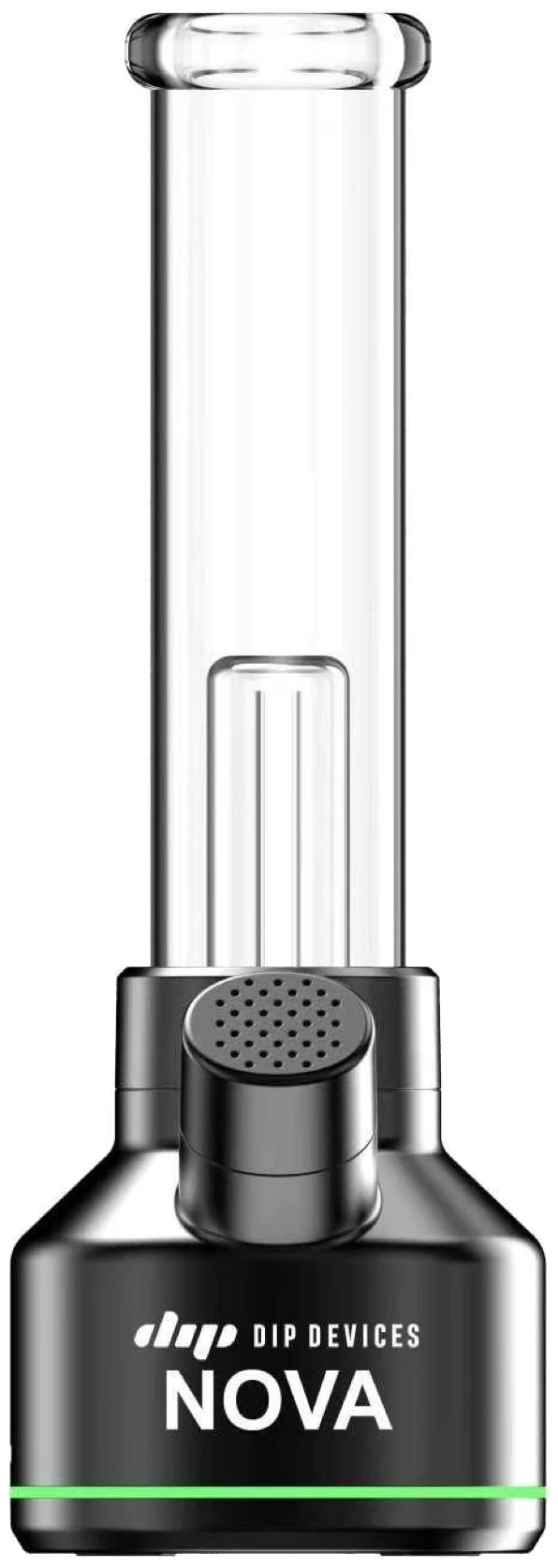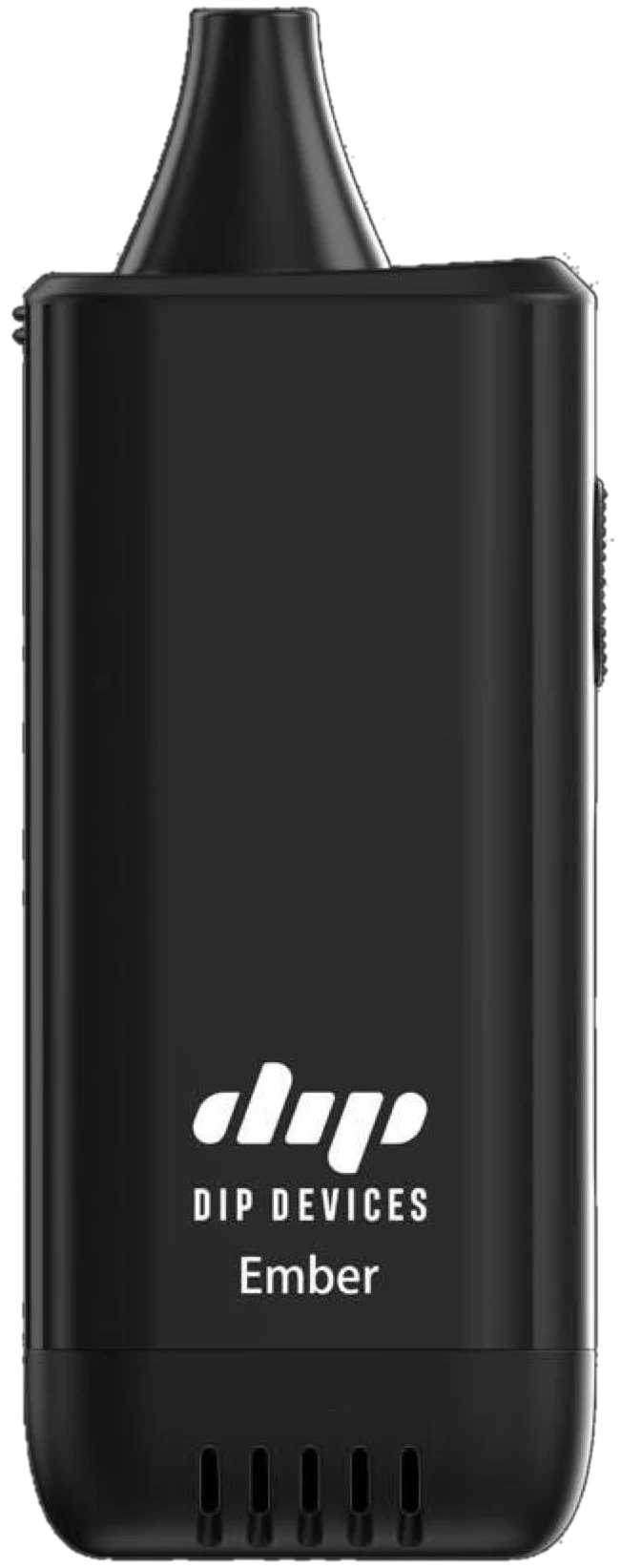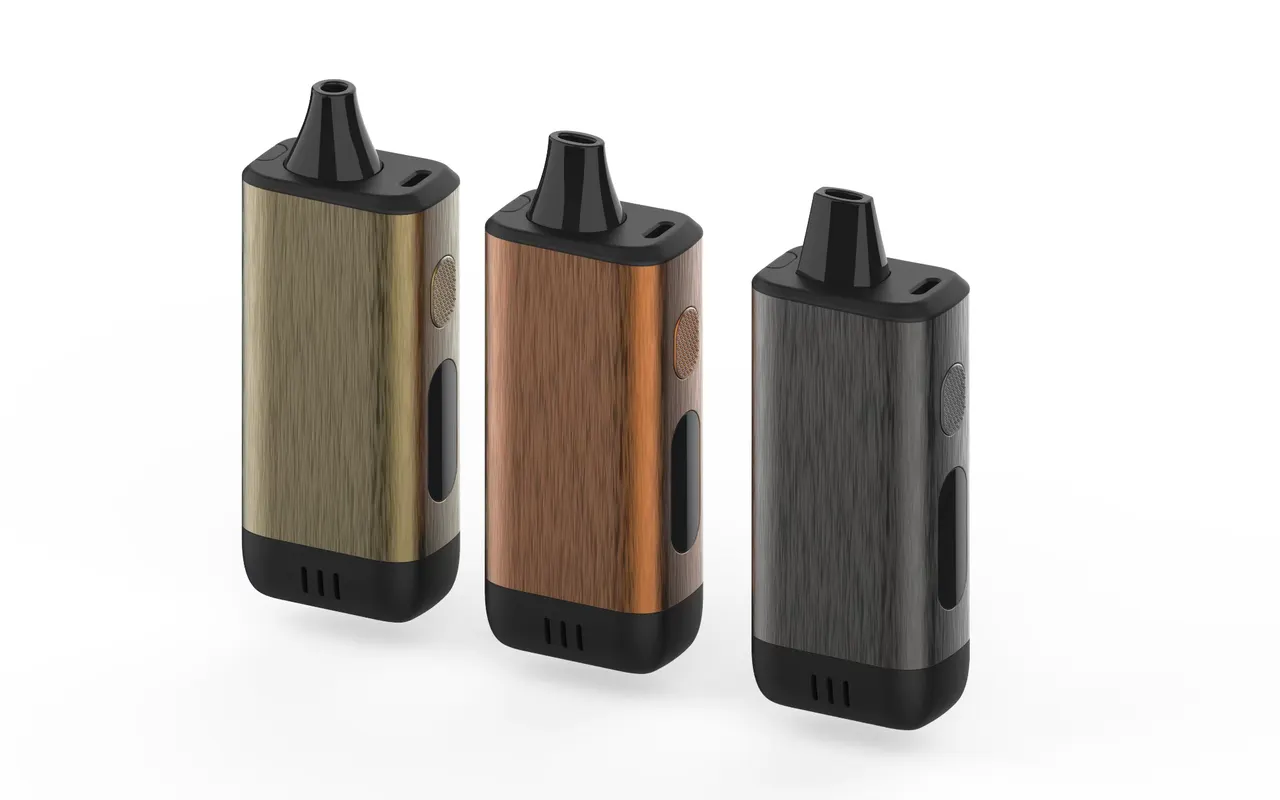
OEM means we build a flameless electric combustion device to your specification — your design, features and form factor — and you sell it as your own. Green Lion Innovations is the hardware company behind the Eburn device, so OEM partners get the same engineering and production that makes Eburn, pointed at their product instead. Where white-label rebrands the device we already make, OEM is a device that's uniquely yours.
What we make
Our core competence is flameless electric combustion and heating hardware: a rechargeable battery driving an igniter coil in a sealed, weather-resistant body — the engine inside the Eburn device. If your product idea lives in that space — rechargeable, windproof, no open flame, built for the dry botanical material your customers supply — it's in our wheelhouse. See the current device's specifications and how it works for the baseline we build from.
What contract manufacturing actually means
Contract manufacturing is hiring someone else's factory and engineering to build your product. You own the brand, the design intent and the customer; the contract manufacturer owns the tooling, the line and the production know-how. It's how most hardware on the shelf gets made — the company on the box rarely owns the factory.
In practice the term covers a spectrum, and the distinction matters when you're asking for a quote:
- Build-to-print. You arrive with a finished, manufacturable design. The manufacturer makes exactly that. Cheapest and fastest, but all the engineering risk is already yours.
- Build-to-spec (what most people mean by OEM). You arrive with requirements — what it must do, for whom, at what cost — and the manufacturer does the engineering to get there. This is where we do most of our work.
- Design-and-build / full turnkey. The manufacturer takes it from concept through production, including sourcing and QC. More of the problem lands on us, which is often the point.
The trade-off is always the same one: the further left you sit, the more control and the more risk you carry yourself. Tell us where on that line you want to be and we'll quote it honestly — including telling you when you don't need us.
OEM vs white-label — which do you need?
| OEM / custom | White-label | |
|---|---|---|
| You're changing | The device — design, features, form factor | Branding & packaging only |
| You bring | A spec, concept or problem to solve | Your logo |
| Time & commitment | Higher — engineering, tooling, samples | Lower — proven product, fast launch |
| The result | A device only you sell | A house-branded version of the Eburn device |
How an OEM project runs
- Brief. You tell us the device you want — the problem it solves, target user, must-have features, rough volumes and budget.
- Feasibility & quote. We tell you honestly what's buildable, the trade-offs, and what it costs at your volume.
- Design & samples. Engineering, prototypes and samples you sign off before tooling.
- Production. We manufacture, run quality control, and supply with restocks on an agreed schedule.
Why build with us
- We've shipped this category. The Eburn device is a working product, not a pitch deck — you're hiring a maker that's already solved flameless electric combustion.
- One partner, end to end. Design, production, QC and supply under one roof at Green Lion Innovations.
- Honest feasibility. We'll tell you what won't work before you spend on it — straight answers on what's possible at your volume and budget.
- It's yours. An OEM device is your product to brand, price and own; we're the manufacturer behind it.
OEM & contract manufacturing FAQ
What is contract manufacturing?
Hiring another company's factory and engineering to build your product while you keep the brand and the customer. It spans build-to-print (you supply a finished design), build-to-spec (you supply requirements, we engineer to them — what most people mean by OEM), and full turnkey (we take it from concept to production). The further toward turnkey you go, the more of the risk and the work sits with us.
What's the difference between OEM and white-label?
OEM builds a new device to your specification; white-label puts your brand on the existing Eburn device. OEM is more work and more commitment, and the result is a device only you sell.
What kinds of devices can you make?
Flameless electric combustion and heating hardware — rechargeable, electric-element devices in sealed, weather-resistant bodies, in the same family as the Eburn device. Tell us your concept and we'll tell you honestly whether it fits.
What are typical minimums and timelines?
OEM minimums and timelines depend on the design, tooling and volume, and are quoted per project after the brief. Custom builds take longer than a white-label launch — we'll give you a realistic schedule up front.
Do you handle compliance and documentation?
We provide the hardware documentation a partner needs and will discuss market-specific requirements during scoping; final regulatory responsibility for your branded product is shared and defined in the agreement.
Start an OEM inquiry → For brands building their own device; intended for adults of legal age (21+). Or see white-label and wholesale.